
Blog
What Is an Electronic Enclosure? Types, Materials, Standards, and Applications

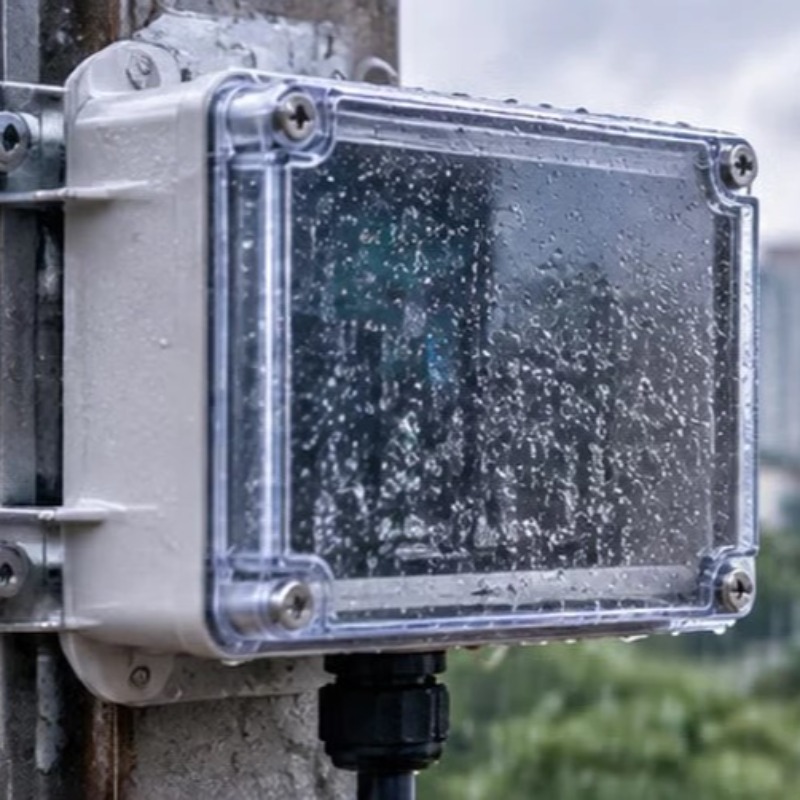
In the modern technological landscape of industrial design, automation, robotics, aerospace engineering, and consumer electronics, the safety, performance, and operational longevity of sensitive internal components depend heavily on their physical housing. An electronic enclosure is far more than a simple protective box or a standard metal container; it is a critical engineering solution meticulously designed to house, organize, insulate, and shield electrical and electronic hardware from severe environmental hazards, mechanical impacts, continuous vibration stresses, and complex electromagnetic interference. From a basic junction box deployed in a residential wiring structure to a sophisticated, multi-rack control unit operating under extreme pressure on an offshore oil rig, the structural, electrical, and thermal integrity of the entire system relies fundamentally on the enclosure housing it.
As technological advancements accelerate at an unprecedented pace, modern electronic devices are becoming increasingly compact, highly interconnected, power-dense, and thermally sensitive. Consequently, the demands placed on modern enclosures have evolved dramatically over recent years. Engineers and product designers must now balance multiple complex constraints simultaneously, including thermal dissipation efficiency, signal transparency, internal space optimization, sophisticated cable management, and extreme mechanical durability under harsh operating conditions. This comprehensive technical guide explores the core principles, material selections, protection standards, thermal dynamics, sealing accessories, and practical applications of electronic enclosures in contemporary engineering.
To explore technical specifications, review strict ingress protection standards, and source durable plastic waterproof enclosure housings for demanding applications, visiting the product catalog at Bahar Enclosure is highly recommended.
The Critical Functions of an Electronic Enclosure
The primary purpose of any electronic enclosure is to establish a secure, reliable, and impenetrable barrier between delicate internal circuitry and the unpredictable, often hostile external environment. This defensive boundary serves several vital engineering functions that dictate system reliability:
- Comprehensive Environmental Protection: Shielding internal electronics from moisture, high humidity, airborne dust, particulate matter, salt spray, and corrosive chemicals that would otherwise cause immediate short circuits, creeping corrosion, or long-term structural oxidation of copper traces.
- Operator Safety and Electrical Insulation: Preventing severe electrical shocks, short-circuit hazards, and arc-flash injuries by securely enclosing high-voltage elements, live terminals, and power supplies, thereby ensuring strict compliance with international safety codes and occupational health standards.
- Advanced Thermal Management: Facilitating effective heat dissipation through natural convection, conductive metal pathways, integrated heat sinks, or active ventilation systems to prevent thermal throttling, component degradation, and catastrophic failure of semiconductor devices.
- Rigid Mechanical Support: Providing a stable structural framework to mount printed circuit boards (PCBs), human-machine interface (HMI) displays, cable glands, and heavy internal transformers without mechanical distortion or resonance under vibration.
- Electromagnetic Compatibility (EMC) Shielding: Mitigating electromagnetic interference (EMI) and radio frequency interference (RFI), ensuring that internal signals remain undisturbed while preventing the device from emitting disruptive noise to neighboring sensitive equipment.

Material Selection: The Foundation of Enclosure Performance
The choice of material dictates an electronic enclosure’s total weight, structural rigidity, manufacturing cost, aesthetic appeal, and shielding efficiency. Engineers generally divide enclosure materials into two primary categories: polymers (plastics) and engineered metals.
1. Polymer and Plastic Enclosures
Plastics are exceptionally popular for portable devices, indoor instrumentation, and cost-sensitive commercial electronics due to their versatility, ease of custom machining, and non-conductive electrical properties.
- Acrylonitrile Butadiene Styrene (ABS): Renowned for its excellent impact resistance, structural rigidity, and cost-effectiveness. ABS is the industry standard for general-purpose indoor electronics, handheld remote controls, and desktop instrument cases.
- Polycarbonate (PC): A high-performance thermoplastic offering superior mechanical strength and optical clarity. Polycarbonate is frequently utilized in outdoor meter boxes and display covers because of its exceptional resistance to ultraviolet (UV) solar radiation and weathering.
- Fiberglass-Reinforced Polyester (GRP): Highly resistant to aggressive chemicals, moisture, and extreme temperature fluctuations. GRP enclosures are widely deployed in chemical processing plants and marine installations where traditional metal would rapidly corrode.
2. Metallic Enclosures
When extreme mechanical strength, high-temperature resistance, or robust EMI shielding is mandatory for mission-critical operations, metals remain the superior choice.
- Aluminum: Highly valued for its lightweight nature, natural corrosion resistance, and exceptional thermal conductivity. Extruded aluminum enclosures are the preferred housing for power supplies, audio amplifiers, and high-frequency instrumentation.
- Stainless Steel: The undisputed gold standard for hygienic, marine, and highly corrosive environments. Its smooth, non-porous surface makes it indispensable in pharmaceutical manufacturing, food processing facilities, and offshore oil platforms.
- Mild Carbon Steel: A cost-effective solution for large industrial floor-standing cabinets. These are typically finished with a durable electrostatically applied powder coat to prevent oxidation and surface scratching.
Thermal Dynamics and Heat Dissipation Strategies
Managing internal temperatures is one of the most challenging aspects of modern electronic packaging and enclosure design. As components shrink and power densities rise exponentially, trapped heat can drastically reduce the operational lifespan of semiconductor devices and electrolytic capacitors.
- Passive Cooling Mechanisms: Leveraging the enclosure walls as primary heat exchangers. Aluminum and copper housings excel in transferring heat from internal components to the ambient surrounding air through conduction and natural convection currents.
- Active Ventilation and Cooling: Integrating filtered fan trays, thermoelectric Peltier coolers, or liquid-to-air heat exchangers for high-power industrial motor drives and server racks operating in enclosed factory floors.
- Strategic Component Placement: Positioning high-heat-generating components near internal chassis walls or direct thermal interface pads to facilitate rapid heat transfer out of the enclosure body.
For selecting versatile desktop enclosures featuring ergonomic designs, custom machining options, and reliable housing for sensitive electronic hardware, checking the offerings at Bahar Enclosure provides an ideal solution.

Decoding Protection Standards: IP and NEMA Ratings
To specify an enclosure accurately for a given application, engineers rely on standardized international ratings that quantify resistance to environmental ingress.
- Ingress Protection (IP) Ratings: Defined by IEC standard 60529, IP codes consist of two distinct digits (e.g., IP65, IP67, IP68). The first digit denotes protection against solid foreign objects, ranging from fine dust to accidental hand contact. The second digit indicates resistance to moisture, extending from vertical water drips to complete submersion under specified pressure and time parameters.
- NEMA (National Electrical Manufacturers Association) Ratings: Predominantly used in North American markets, NEMA standards evaluate enclosures not only for dust and water resistance but also for specialized environmental hazards such as corrosive chemical agents, ice formation, oil seepage, and hazardous explosive gases.
Electromagnetic Compatibility (EMC) and Shielding Principles
In an era defined by wireless communication, IoT devices, and dense electronic systems, electromagnetic interference poses a constant threat to signal integrity and overall operational reliability.
- Shielding Effectiveness: Measuring how well a metallic or specially treated enclosure reflects or absorbs unwanted electromagnetic waves, preventing them from entering or escaping the internal cavity.
- Conductive Gaskets and Seaming: Ensuring continuous electrical conductivity across door seams, panel joints, and cable entry points using specialized metallic mesh, conductive elastomers, or beryllium copper finger stock.
- Grounding and Bonding: Establishing a low-impedance electrical path from the enclosure chassis directly to earth ground, neutralizing electrostatic charges and stray electrical currents safely.
Cable Management and Sealing Accessories
An electronic enclosure is only as secure as its entry and exit points. Proper cable management and accessory integration are vital for maintaining long-term environmental seals.
- Cable Glands and Knockouts: Utilizing precision-threaded cable glands with high-grade rubber compression inserts to maintain strict IP ratings while securing incoming power and communication lines.
- Pressure Compensation Plugs: Installing specialized ventilation elements that allow air pressure equalization between the inside and outside of the enclosure, preventing condensation caused by drastic temperature swings.
- Internal Chassis Plates and DIN Rails: Utilizing modular internal mounting plates that allow engineers to pre-assemble complex electrical components outside the box before final field integration.
Specialized Enclosure Geometries for Modern Industries
Different operational environments and user interfaces require distinct mechanical layouts to ensure usability and safety:
- Handheld and Portable Enclosures: Ergonomically engineered for mobile measurement tools, medical diagnostic scanners, and remote controllers, often integrating battery compartments and over-molded rubber grips.
- DIN Rail Enclosures: Compact modular units designed to snap securely onto standard 35mm DIN rails, forming the absolute backbone of industrial automation, power distribution boards, and building management systems.
- Wall-Mount Enclosures: Rigid cabinets utilized for security monitoring systems, telecommunication junction points, and local machine control panels in commercial buildings.
- Desktop and Instrumentation Enclosures: Laboratory-grade housings featuring sloped front panels and ventilation slots to optimize user interaction and airflow for benchtop electronic devices.

The Importance of Customization and Prototyping
Off-the-shelf enclosures rarely fulfill one hundred percent of a complex project’s specific mechanical requirements. Modern hardware development necessitates precision customization, including CNC milling for custom connector cutouts, laser engraving for branding and labeling, and the insertion of threaded standoffs for secure PCB mounting. In the competitive global electronics landscape, sourcing from established manufacturers who provide both standardized catalogs and flexible modification services—such as Bahar Enclosure significantly streamlines the transition from initial prototype testing to full-scale commercial manufacturing, ensuring that structural integrity and aesthetic standards are maintained throughout the production lifecycle.
Comparative Cost and Environmental Suitability Matrix
Selecting the right enclosure requires a careful economic and technical balance between initial capital expenditure and long-term operational reliability in the field:
| Material Classification | Relative Cost Factor | Primary Environment | Core Engineering Advantage |
|---|---|---|---|
| Standard ABS Plastic | Low (Baseline) | Indoor Commercial | Cost-effective and easy to machine |
| Polycarbonate (PC) | Moderate | Outdoor / UV Exposed | High impact strength and weatherability |
| Die-cast Aluminum | Moderate to High | Industrial / Heavy Duty | Superior thermal dissipation and ruggedness |
| Stainless Steel | Very High | Marine / Chemical / Medical | Ultimate corrosion resistance and hygiene |
| Fiberglass (GRP) | High | Severe Industrial | Complete electrical isolation and chemical immunity |
Future Innovations in Electronic Enclosure Design
The electronic enclosure sector is rapidly evolving toward intelligent design paradigms and sustainable manufacturing practices. Modern developments include the integration of IoT-based internal sensor arrays to monitor real-time humidity, internal temperature, and physical security breach attempts. Furthermore, sustainability is becoming a major driving force, with manufacturers pioneering the use of recycled engineering polymers, biodegradable composite materials, and low-VOC powder coatings to minimize the carbon footprint associated with global electronic manufacturing.
Conclusion
The selection and implementation of an electronic enclosure represent a foundational milestone in successful product development. It defines the operational boundaries within which sensitive circuitry can survive, dictates long-term system reliability, and shapes the physical interaction between the user and the technology. By thoroughly evaluating material properties, ingress protection ratings, thermal requirements, and manufacturing standards, engineers can guarantee that their electronic innovations remain robust, compliant, and fully functional across their intended lifecycle.