
Blog
Everything about kidney stasis; From diagnosis to prevention


[ad_1]
-
Collection: Diseases and the way of treatment
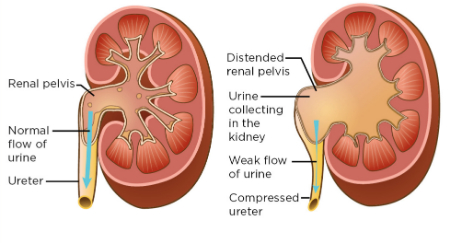
Kidney stasis is called stopping or reducing urine flow in the kidneys or ureters
What is a kidney tase? A comprehensive guide for causes, symptoms and treatment
The kidneys play a vital role in blood purification, waste disposal and regulation of body fluids. But sometimes, problems such as kidney tasse and kidney swelling can disrupt the performance of this vital organ. This article examines the causes, symptoms, consequences, and methods of treatment and prevention.
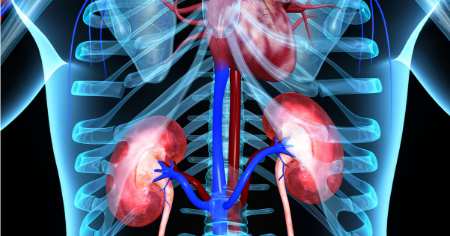
Obstruction caused by kidney stones is the most common cause of kidney tase
What is a kidney tase?
Kidney stasis is a state where urine flows in the kidneys or ureter (pipes that transmit urine from the kidney to the bladder) due to obstruction or reduction of mobility. This stop can cause urine accumulation in the kidney (hydronephrosis) and pressure on the kidney tissues, which may eventually lead to kidney damage.
Causes of kidney stab
The kidney stasis refers to stopping or reducing urine flow in the kidneys or ureters, which is usually caused by obstruction. Kidney swelling (hydronephrosis) occurs when obstruction causes urine accumulation and swelling of the kidneys. Common causes of these problems are:
Kidney Stone: The accumulation of salts and minerals in the urine that form small and hard stones and can get stuck in the kidney or ureter.
• Tumors: Bladder, prostate, uterine, or other organs close to the urinary system can block urine flow.
• Break enlargement of prostate (BPH): In men, prostate enlargement can put pressure on the urethra.
Other factors:
• Blood clots in the kidney or ureter
• Urinary stenosis caused by injury, infection, surgery or congenital defects
• Neuromuscular or muscle problems that disrupt kidney or ureter function
• Urinary retention (inability to completely discharge bladder)
• Return urine from bladder to kidney (bladder reflux to ureter)
• Double ureter or structural defects
• In women: Pregnancy (uterine pressure on the uterus), uterine drooping, or cystocell (bladder drooping).
Symptoms of kidney swelling
Kidney swelling (hydronephrosis) occurs when obstruction causes urine accumulation and increased pressure on the kidneys, which can damage the kidney tissue over time. The severity of the symptoms depends on the period of obstruction. Common symptoms are:
• Pain in the side or abdomen
• Nausea and vomiting
• Pain or burning during urine
• Incomplete urine discharge
• Increase urine frequency or feel repeatedly needing urine
• fever and chills (if infected)
In chronic cases, long -term obstruction can exacerbate urinary tract infections, with symptoms such as:
• urine opaque or dark
• Poor urine flow
• Pain in the back or bladder
• Feel cold
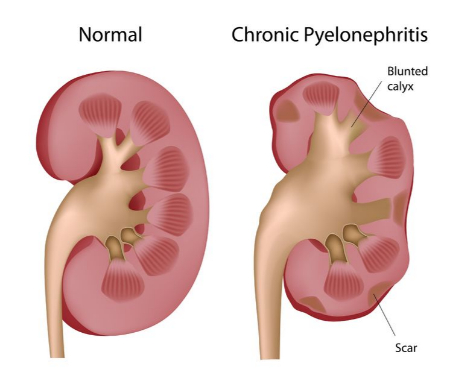
Urinary tract infections can cause kidney stasis
The ways to diagnose stasis and kidney swelling
The diagnosis of these problems is usually done by the following methods:
• Physical examination: The doctor examines the kidneys and bladder for swelling or allergies. In men, prostate examination and in women, pelvic examination may be performed.
• Urine test: To check the presence of blood, stone crystals, or infection.
• Blood test: Kidney function (creatinine, estimated GFR, blood nitrogen urea) and symptoms of infection.
• Ultrasound: The main method without the use of radiation to identify obstruction or swelling.
• CT scan or MRI: for more detailed details in complex cases.
Is the kidney stasis dangerous?
Stazle and kidney swelling can be dangerous if left untreated. Long -term obstruction may cause permanent damage to the kidney tissue, which, in severe cases of kidney failure, requires dialysis or even kidney transplantation. Early diagnosis and treatment is vital to prevent these complications.

Untreated kidney stasis can lead to kidney failure
Aesthetic treatment and kidney swelling
Treatment of these problems depends on the underlying cause:
Treatment of urinary tract infections:
• Use antibiotics to relieve infection and reduce inflammation.
Kidney Stone Management:
Small stones may be spontaneously excreted.
Larger stones require treatments such as ESWL, medication or surgery.
Raise a blockage:
• Use a catheter or stent to drain urine in severe cases.
• Surgery to remove tumors, eliminate ureteral stenosis, or modify structural defects.
• Managing underlying diseases: Diabetes, blood pressure or autoimmune diseases to reduce stress on the kidneys.
• Support drugs: Diuretics to reduce swelling or blood pressure reduction medications to protect the kidneys.
Prevention and kidney swelling
Prevention of these problems depends on the management of risk factors and underlying diseases:
• Sufficient fluid intake: Drink at least 2 liters of water a day to prevent kidney stones from forming and improving urine flow.
• Healthy diet: Reduce consumption of high -esteem foods (such as spinach) and increased fiber, fruits and vegetables.
• Physical activity: Regular exercise to improve blood circulation and function of the urinary system.
• Rapid treatment of diseases: such as urinary tract infections or prostate problems.
Regular referral to your doctor: Especially for people with a history of kidney disease, diabetes or hypertension.
Avoid harmful drugs: such as non -steroidal anti -inflammatory drugs (NSAIDS) that may damage the kidneys.
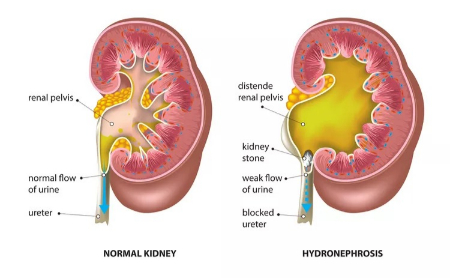
Symptoms of kidney stasis include side pain and decreased urine volume
Frequently asked questions about kidney
1. Is the kidney stasis painful?
Yes, kidney stasis can cause pain in the side or abdomen, especially if it is associated with obstruction or infection.
2. Can a diet helps prevent kidney stasis?
Yes, adequate water consumption (at least 2 liters per day), high -end diet (such as spinach) can reduce the risk of kidney stones and obstruction.
3. There is a home therapy for stasis?
Drinking plenty of water and regular physical activity can help improve urinary flow, but the main treatment should be under the supervision of a physician.
4. Is kidney stasis common in children?
Yes, especially in children with congenital defects such as dual ureter or bladder reflux. Early diagnosis with ultrasound during or after birth can be helpful.
5. Can pregnancy cause kidney tasse?
Yes, enlargement of the uterus during pregnancy can put pressure on the ureter and disrupt urinary flow, which sometimes leads to temporary hydronephrosis.
Conclusion
Stazle and kidney swelling can vary from mild to serious conditions that require urgent attention. Understanding early symptoms, such as flank pain, swelling or urine changes, and timely action to diagnose and treat the kidneys can prevent the kidneys from permanent damage. With a healthy lifestyle, adequate hydration and regular medical care, the risk of these problems can be minimized. If you have a worrying symptoms, be sure to consult a nephrology specialist.
Collected:Bitote Health
[ad_2]
منبع