
Blog
The most amazing properties of the fig compote


[ad_1]
-
Collection: Food Properties

The most amazing properties of the fig compote
Compote
Properties and Disadvantages of Fig Compote:
Fig compote is one of the popular food products made from fresh or dried fig fruit and is consumed in many countries due to its sweet and pleasant taste, high nutritional value and ease of storage. This product is usually made by adding sugar syrup or fruit juice to the fig and mild baking. In this article, we will examine the comprehensive and comprehensive nutritional properties, health benefits and potential harmful disadvantages.
Compound
The fig compote contains many nutrients that help the body. However, its exact compounds depend on the preparation and additives used (such as sugar or preservatives). In general, the fig compote contains the following:
• Carbohydrates: The main source of energy in the fig compote is simple carbohydrates (natural sugar and sugar added sugar).
• Fiber: Figs naturally have high fiber, but in the compote process, part of the fiber may be eliminated.
• Vitamins: Contains moderate amounts of B vitamins (such as B6) and vitamin C (if the fruit rich in this vitamin).
• Minerals: Potassium, magnesium, calcium and iron are minerals in the fig compote.
• Antioxidants: Figs contain polyphenols and flavonoids that have antioxidant properties and are partially preserved in compote.
• Calories: Fig compote has more calories than fresh figs due to added sugar (approximately 100-150 kcal per 100 grams, depending on the brand and preparation method).
Properties and Benefits of Fig Compote for Health:
Fig compote has many health benefits because of its nutrients. Here are some of the most important properties:
1. Improving digestive health
The fiber in the fig compote helps improve bowel movements and prevent constipation. Although the compost fiber is less than fresh or dry figs, it can still help regulate the function of the digestive tract.
Fig compote is a good option for people with gastrointestinal problems such as reflux or gastric ulcer.
2. Strengthen the immune system
Antioxidants in figs (such as polyphenols) help reduce oxidative stress and fight free radicals.
If the compote is prepared by adding vitamin C -rich fruit juice (such as orange juice), it can help strengthen the immune system.
3. Support heart health
Potassium in the fig compote helps regulate blood pressure and reduces the risk of cardiovascular disease.
Soluble fiber in figs can reduce bad cholesterol levels (LDL) and help heart health.
4. The fast energy source
Simple carbohydrates in the fig compote (especially added sugars) provide a quick energy source for the body. This feature makes the fig compote the right option for athletes or people who need immediate energy.
5. Strengthening the bones
Calcium and magnesium in the fig compote help maintain bone health and prevent osteoporosis. This feature is especially useful for growing children and older people.
6. Help to control weight (if balanced)
Fig compote can help reduce appetite and control weight due to the fiber and the feeling it creates, provided that it is balanced.
7. Suitable for specific diets
Fig compote is a good option for people who cannot consume raw fruits for medical reasons (such as patients with gastrointestinal problems or older people with chewing problems).
In vegetarian and vegan diets, figs can also be used as a snack or dessert.

Fig compote
Possible Disadvantages and Complications of Fig Compote:
Despite numerous benefits, the consumption of fig compote in some cases may have disadvantages, especially if it is taken largely or no matter what physical condition. Here are some of the most important disadvantages:
1. Increased blood sugar
Fig compote has a high glycemic index due to added sugar and natural sugars and can rapidly increase blood sugar. This is worrying for people with diabetes or those at risk of diabetes.
Diabetic patients should take the fig compote carefully and under the supervision of a physician.
2. Weight gain
High calories of fig compote (due to added sugar) can lead to weight gain if overdose.
People who follow low -calorie diets should limit their consumption.
3. Gastrointestinal problems in some people
Although fig fiber is generally useful for digestion, over -consumption may cause bloating, diarrhea or stomach upset in some people.
People who are allergic to fiber or have irritable bowel syndrome (IBS) should be cautious.
4. allergies and allergies
Some people may be allergic to figs or additives in the compote (such as preservatives or essential oils). Symptoms of allergies include itching, swelling or respiratory problems.
If allergic symptoms occur, stop taking the compote and consult your doctor.
5. Materials and additives
Some commercial compotes contain preservatives, synthetic colors or essential oils that may be harmful to health, especially if you use long -term use.
It is recommended to choose home compotes or products with minimal additives.
6. Crossing with certain medications
Fig contains high amounts of potassium that may interfere with blood pressure regulators or kidney -related medications. If you are taking certain medications, consult your doctor before taking the fig compote.
Important Tips on Fig Compote:
To benefit from the benefits of fig compote and reduce its disadvantages, it is necessary to observe the following:
Moderation in consumption:
Do not consume more than 100-150 grams of fig compote daily, especially if sugar has added.
Select high quality product:
Choose compotes that have less sugar or are made with natural fruit juice.
Check the product label to make sure the lack of harmful additives.
Home Compost Preparation:
To control the ingredients, you can prepare the fig compote at home using fresh or dry figs and a small amount of honey or natural sugar.
Consultation with the doctor:
If you have a specific disease such as diabetes, kidney problems or allergies, consult your doctor before taking a compote.
Combine with nutrients:
To balance the compote, eat it with foods containing protein or healthy fat (such as yogurt or nuts).
Method of Making Fig Compote at Home:
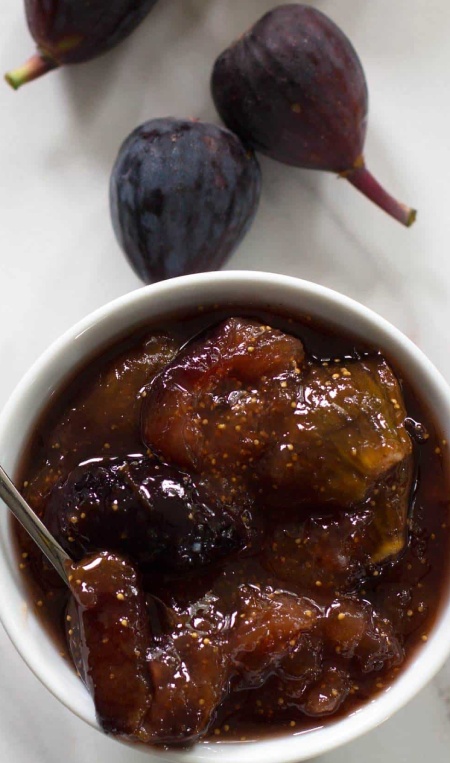
How to prepare fig compote
You can use fresh or dry figs to make a home compote. The following is a simple command:
Ingredients for Fig Compote:
| Fresh or dry fig | 500 g |
| Water | 2 glasses |
| Gratitude | 2 to 4 tbsp (depending on the taste) |
| Lemon juice | 1 tbsp (to taste and prevent discoloration) |
| Cinnamon or cardamom (authority) | To the desired amount to taste |
How to Make Fig Compote:
Fig ready:
If you use fresh figs, wash it and prepare it completely or half.
If you use dried figs, soak it in lukewarm water for 1 hour.
Baking:
Mix water, sugar and lemon juice in the pot and place on medium heat to dissolve the sugar.
Add the figs to the mixture and allow to cook for 15-20 minutes to soften.
Add cinnamon or cardamom if desired.
Cool and save:
• After baking, cool the compote and pour into a sterile glass container.
• Keep the compote in the refrigerator and consume for 1-2 weeks.
The last word:
Fig compote is a nutritious and tasty food product that has many benefits for health due to its fiber, vitamins, minerals and antioxidants, including digestion, heart strengthening, and supporting immune system. However, over -consumption may lead to increased blood sugar, weight gain or gastrointestinal problems. By observing moderation and selection of high quality product, you can benefit from the benefits of fig compote and prevent its disadvantages.
If you plan to add fig compote to your diet, have specific diseases or take specific medications, be sure to consult a doctor or nutritionist. Also, preparing a home compote can be a healthier option to suit your needs.
Collected: Bitote Cooking
[ad_2]
منبع